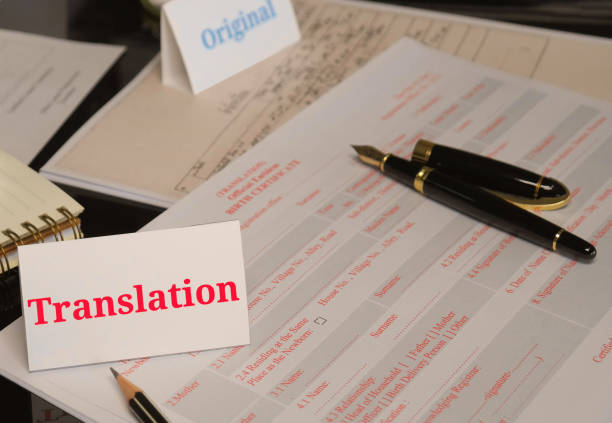
If your divorce certificate was issued in a language other than English, you may need to have it translated before it can be accepted by government authorities, immigration departments, courts, or other official organisations. An accurate English translation ensures that your document is understood correctly and meets the legal requirements of the country where it will be submitted.
Whether you are applying for a UK visa, getting remarried, handling inheritance matters, or completing legal paperwork, translating your divorce certificate into English is often an essential step. Choosing a professional translation service can help you avoid delays, rejected applications, and unnecessary complications.
This guide explains when you need to translate a divorce certificate to English, how the translation process works, and what you should look for when selecting a reliable translation provider.
Why Do You Need to Translate a Divorce Certificate to English?
A divorce certificate is an official legal document that confirms the termination of a marriage. If this document is written in another language, UK authorities and many international organisations cannot assess its contents without a professional English translation.
An official translation helps verify your marital status and ensures that all legal information is accurately presented. It also prevents misunderstandings caused by incorrect or incomplete translations.
If you need to translate divorce certificate to English for immigration, legal proceedings, remarriage, or any other official purpose, using a professional certified translation service helps ensure your document is accepted by the relevant authorities.
When Is an English Translation Required?
There are many situations where translating your divorce certificate into English becomes necessary.
Immigration Applications
UK Visas and Immigration often requires supporting documents to be submitted in English.
If your divorce certificate was issued in another language, an English translation is generally required when applying for:
- Spouse visas
- Family visas
- Settlement applications
- Citizenship applications
The translation allows immigration officers to verify your previous marital status.
Remarriage in the UK or Abroad
Many countries require proof that a previous marriage has legally ended before issuing a marriage licence.
An English translation of your divorce certificate may be required if the original document was issued overseas.
Court Proceedings
Courts frequently require translated legal documents when foreign records are presented as evidence.
The translation must accurately reflect every detail found in the original certificate.
Financial and Administrative Matters
English translations may also be requested for:
- Property ownership transfers
- Pension claims
- Insurance applications
- Bank documentation
- Probate and inheritance cases
These organisations rely on translated documents to verify legal records accurately.
What Is Included in a Divorce Certificate Translation?
A professional translation includes every piece of information appearing on the original document.
Nothing is omitted or summarised.
Personal Information
The translator accurately converts information such as:
- Full names
- Dates of birth
- Marriage details
- Divorce dates
- Nationality where applicable
Consistency with passports and other legal documents is extremely important.
Official Information
The translation also includes:
- Court names
- Registration numbers
- Official remarks
- Government seals
- Signatures where applicable
These details help establish the authenticity of the document.
Should You Choose a Certified Translation?
For official use, the answer is usually yes.
Many organisations require more than just an accurate translation. They require proof that the translation has been completed professionally.
A certified translation includes a signed statement confirming that the translated document is complete and accurate.
Without certification, your document may not be accepted.
How Does the Translation Process Work?
Translating a divorce certificate into English is generally a straightforward process.
Step 1: Obtain a Clear Copy
Start by preparing a good quality copy of the original divorce certificate.
Most professional agencies accept:
- PDF documents
- Scanned copies
- High resolution photographs
The clearer the document, the more accurate the translation will be.
Step 2: Submit Your Document
Send your divorce certificate to the translation provider.
After reviewing the document, they will usually provide:
- A quotation
- Delivery timeframe
- Certification options
Many companies offer online ordering, making the process quick and convenient.
Step 3: Professional Translation
A qualified legal translator carefully translates every section of the certificate.
Every word, date, and official notation is translated while maintaining the structure of the original document.
Step 4: Certification
Once the translation has been completed, a certification statement is attached.
This confirms that the translation is accurate and complete.
The finished document is then ready for submission.
How Long Does It Take?
Most divorce certificates contain only one or two pages.
As a result, translation can often be completed quickly.
Typical turnaround times include:
- Standard service within one to three business days.
- Express service within twenty four hours.
- Same day delivery may be available for urgent requests.
The delivery time depends on the language pair and the provider’s workload.
How Much Does It Cost?
The cost of translating a divorce certificate into English varies depending on several factors.
These include:
- Source language
- Number of pages
- Urgency
- Certification requirements
Many professional agencies provide fixed pricing for standard legal certificates, making it easier to know the cost before placing your order.
Choosing the Right Translation Service
Not every translator is qualified to prepare legal documents for official use.
Selecting an experienced provider is essential.
Qualities to Look For
A reliable translation company should offer:
- Qualified professional translators
- Experience with legal documents
- Confidential handling of personal information
- Fast turnaround options
- Transparent pricing
- Certified translations accepted by UK authorities
Working with an experienced provider helps reduce the risk of rejected documents.
Common Mistakes to Avoid
Many applicants experience unnecessary delays because of avoidable errors.
Using Machine Translation
Free online translation tools are not suitable for legal documents.
Machine translations often contain mistakes that make official documents unacceptable.
Uploading Poor Quality Images
If important text is difficult to read, the translation may contain errors.
Always submit clear and complete document copies.
Choosing a Non Certified Translation
Some people order a standard translation without checking the authority’s requirements.
If certification is required, you may need to order another translation, increasing both costs and delays.
Not Checking Submission Requirements
Different organisations may request different forms of document verification.
Always confirm whether a certified translation alone is sufficient or if notarisation or Apostille legalisation is also required.
Certified Translation vs Notarised Translation
These two services are often confused.
However, they serve different purposes.
Certified Translation
A certified translation confirms that the translation accurately reflects the original document.
This is sufficient for many government departments and legal organisations.
Notarised Translation
A notarised translation includes an additional step where a notary public verifies the identity of the translator or translation company.
Some international authorities specifically require notarised translations.
Always check which option is needed before placing your order.
Tips for a Smooth Translation Process
Planning ahead can help avoid unnecessary problems.
Before Ordering
Keep these points in mind:
- Verify the translation requirements with the receiving authority.
- Submit high quality scans.
- Double check names and dates.
- Keep copies of both the original and translated documents.
- Choose an experienced translation provider.
These simple steps can significantly improve the chances of your documents being accepted the first time.
Frequently Asked Questions
Can I translate my own divorce certificate?
No. Self translated legal documents are generally not accepted for immigration, legal, or official purposes because they cannot be independently verified.
Will UK authorities accept certified translations?
Yes. Most UK government departments, courts, employers, and educational institutions accept professionally certified translations that meet their published requirements.
Does every country have the same translation rules?
No. Translation requirements vary depending on the country and the organisation requesting the document.
Some authorities only require certified translations, while others may also ask for notarisation or Apostille legalisation.
Final Thoughts
Translating a divorce certificate into English is often an essential requirement for immigration, legal proceedings, remarriage, financial matters, and many other official applications. An accurate and professionally prepared translation ensures that your document is understood correctly and complies with the requirements of the receiving authority.
Choosing a trusted translation provider, submitting a clear copy of your divorce certificate, and confirming the certification requirements before ordering can help you avoid delays and unnecessary complications. A professionally translated document not only supports a smoother application process but also gives you confidence that your legal records will be accepted wherever they are required.