Understanding Why Possums Enter Sydney Homes
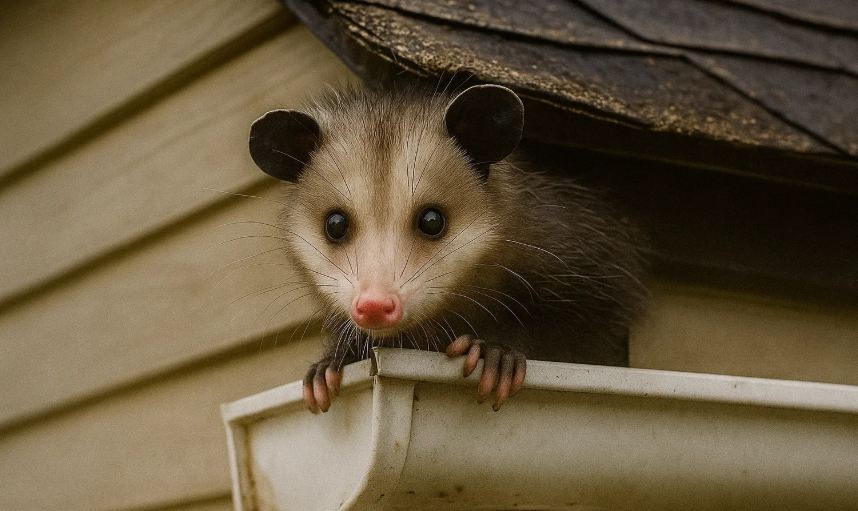
Possums are a familiar part of Sydney’s urban environment. They move through gardens, fences, trees, rooflines and balconies in search of shelter, warmth and food. While they are native animals and play a role in the local ecosystem, they can become a real concern when they settle inside roof cavities, wall spaces, garages or outdoor structures.
For many homeowners, the first sign is noise at night. You may hear scratching, thumping, running or chewing above the ceiling. Since possums are mostly active after dark, these sounds often become more noticeable when the house is quiet. Other signs may include droppings, unpleasant smells, damaged insulation, disturbed roof tiles or entry marks around eaves and vents.
This is where safe Possum removal Sydney services become important. The goal is not to harm the animal. The goal is to remove it carefully, protect your property and stop it from returning. A humane approach gives homeowners peace of mind while respecting wildlife protection rules.
Why Humane Possum Removal Matters
Possums are not ordinary pests. In New South Wales, they are protected native animals, which means they must be handled responsibly. Removing them without proper knowledge can cause stress, injury or even death to the animal. It can also create legal problems for homeowners who attempt unsafe trapping or relocation.
Humane possum removal focuses on three things: identifying the animal, removing it safely and sealing the entry point once the possum has left. A professional operator understands possum behaviour and knows how to encourage the animal out without causing unnecessary harm.
This matters because possums are territorial. If they are moved too far from their familiar area, they may struggle to survive. They rely on known food sources, shelter, trees and pathways. Simply catching a possum and taking it somewhere else is not a safe solution. In many cases, it is also not lawful.
When people search for Possum removal Sydney, they are usually looking for fast help. But the best service is not just fast. It is careful, compliant and focused on long-term prevention.
Common Signs You Have a Possum in Your Roof
A possum problem is often easier to hear than see. Since possums are active at night, the roof cavity becomes noisy when they move around after sunset. Homeowners may mistake the sounds for rats, birds or general roof movement, but possums usually create heavier and louder noises.
Common signs include loud thumping across the ceiling, scratching near walls, movement around gutters, droppings near entry points, damaged roof insulation and a strong musky smell. You may also notice branches touching the roof, broken vents or gaps under tiles where a possum could enter.
Gardens can also show signs. Possums may eat leaves, fruit, flowers and vegetable plants. They may travel along fences, pergolas, power lines and tree branches to reach the roof. If you see a regular path from a tree to your house, that may be how the possum is getting inside.
The earlier you act, the easier the problem is to manage. Waiting too long can lead to more damage, especially if a possum builds a nesting area in the roof.
See also: How Coeur d’Alene’s Growth Shapes Court Reporting at NAEGELI Deposition
Safe Steps Before Calling a Professional
Before arranging possum removal, avoid blocking holes while the possum may still be inside. This is one of the most common mistakes homeowners make. If the animal becomes trapped, it may panic, cause further damage or die inside the roof space, creating a serious hygiene problem.
Instead, observe when the noises occur. If the scratching starts after sunset and stops before morning, it may confirm that the possum is leaving the roof at night to feed. You can also look from outside during daylight to identify possible entry points, but avoid climbing onto the roof unless it is safe and necessary.
Do not use poison, harsh chemicals or aggressive deterrents. These methods can harm wildlife, pets and people. They may also fail to solve the actual entry problem. Possums are persistent animals, and if your roof still offers easy access, another possum may move in later.
A better option is to contact a licensed or experienced wildlife removal specialist. They can inspect the property, confirm whether the animal is a possum and create a humane removal plan.
What Professional Possum Removal Usually Includes
A proper possum removal service is more than catching an animal. It begins with a detailed inspection. The technician checks roof edges, vents, tiles, gutters, wall gaps, chimneys and tree access points. They look for signs of movement, nesting, droppings and damage.
Once the access point is found, the removal process can begin. Depending on the situation, this may involve humane trapping, one-way exit methods or other approved techniques. The animal should be handled with care and released according to local requirements.
After removal, the most important step is possum proofing. This means sealing entry points so the animal cannot return. Without sealing, the same possum or another possum may come back within a short time. Good possum proofing may involve repairing roof gaps, securing vents, trimming overhanging branches and installing barriers where needed.
Some services may also recommend a possum box in a nearby tree. This gives the animal an alternative shelter outside your home. It can reduce the chance of the possum trying to re-enter your roof cavity.
Why DIY Possum Removal Can Go Wrong
DIY removal may look simple, but it often creates more problems. Homeowners may set unsafe traps, block exits too early or relocate the possum incorrectly. These mistakes can harm the animal and leave the property exposed to ongoing damage.
Possums can also carry parasites and may scratch or bite if frightened. Handling them without training is risky. Even if you manage to remove one possum, you may miss the real issue: how it got inside. If the access point remains open, the problem is likely to return.
Another issue is misidentification. Roof noises may come from possums, rats, birds or other animals. Each situation requires a different approach. Treating every noise as a possum problem can lead to wasted time and poor results.
For this reason, professional help is often the safest choice. It protects the homeowner, the animal and the property.
How to Prevent Possums from Returning
Prevention is the key to long-term success. Once the possum is removed, inspect your home for weak spots. Roof gaps, loose tiles, broken vents and open eaves should be repaired quickly. Possums are strong climbers, so even small openings can become entry points.
Trim branches that touch or hang close to the roof. Keep bins sealed, avoid leaving pet food outside and remove easy food sources from outdoor areas. If you have fruit trees, collect fallen fruit regularly.
Lighting and motion sensors may help in some areas, but they should not be treated as a complete solution. Physical exclusion is far more reliable. A well-sealed roof is the best defence against repeated possum activity.
If you live in a leafy Sydney suburb, regular property checks are useful. Possums are part of the environment, so the aim is not to remove them from the neighbourhood. The aim is to keep them outside your home.
Choosing the Right Possum Removal Sydney Service
When choosing a provider, look for experience, humane methods and clear communication. A reliable company should explain the inspection process, removal method and prevention plan. They should also understand local wildlife rules and avoid harmful practices.
Search behaviour matters too. Some homeowners type Possum removal Sydney, while others accidentally search Possum remova when looking for urgent help. Either way, the service you choose should focus on safe removal, roof protection and long-term results.
Ask whether entry points will be sealed after removal. Ask whether the service includes advice on future prevention. A cheap removal job that does not include possum proofing may cost more later if the animal returns.
Good possum control is not only about removing noise from the ceiling. It is about solving the reason the possum entered in the first place.
Protecting Your Home While Respecting Wildlife
Possums can be frustrating when they move into your roof, but they are still part of Sydney’s native wildlife. A safe response protects both your home and the animal. By acting early, avoiding harmful DIY methods and choosing a humane professional service, you can reduce damage, restore quiet nights and prevent repeat problems.
The best approach combines inspection, careful removal, entry-point sealing and practical prevention. Whether you are dealing with scratching sounds, roof damage or regular possum visits around your property, humane action is the smartest path forward.
For Sydney homeowners, Possum removal Sydney is not just a pest control search term. It is a responsible way to manage wildlife conflict while keeping your home safe, clean and secure.